


Korean Two-Tier Clothing Chest, Zelkova and Paulownia
$1,150.00
Skip to product information


KOBK.26.FUR.029
Korean Two-Tier Clothing Chest, Zelkova and Paulownia
$1,150.00
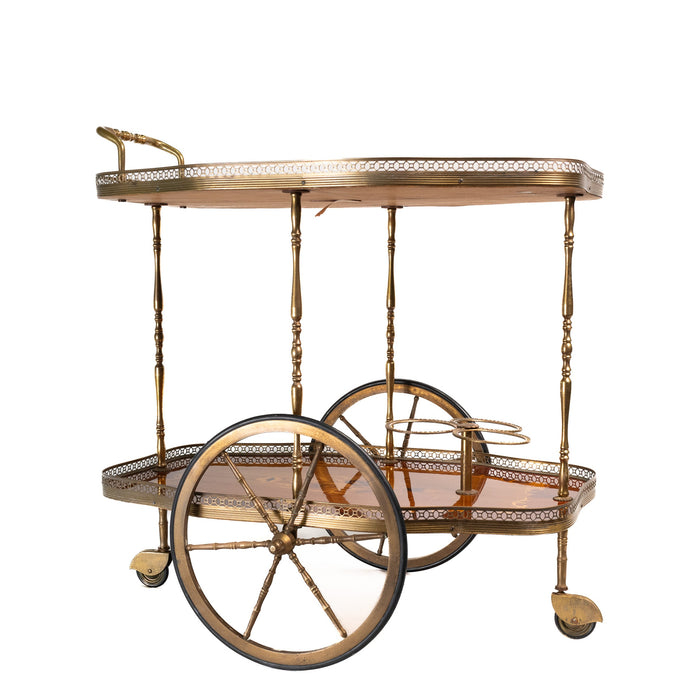 KOBK.26.FUR.006Italian Marquetry Drinks Trolley
$595
KOBK.26.FUR.006Italian Marquetry Drinks Trolley
$595
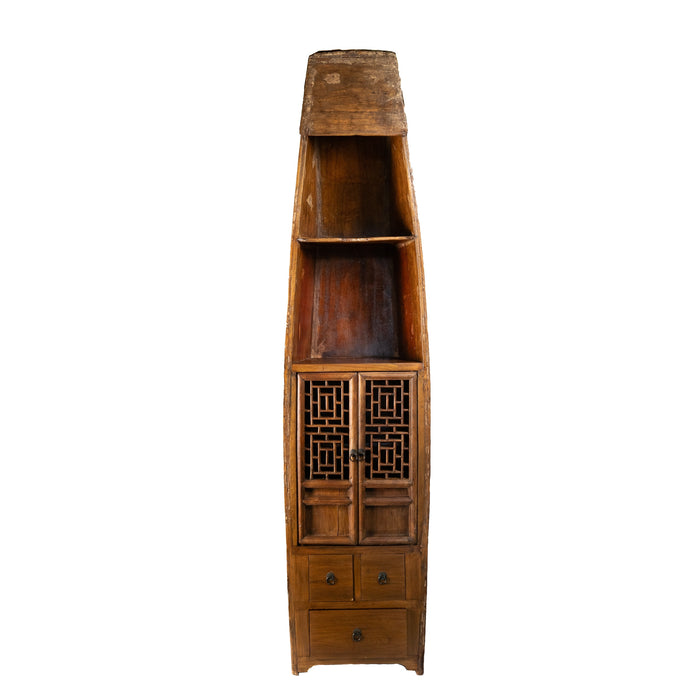 KOBK.26.FUR.026Indonesian Canoe Cabinet
$1,195
KOBK.26.FUR.026Indonesian Canoe Cabinet
$1,195
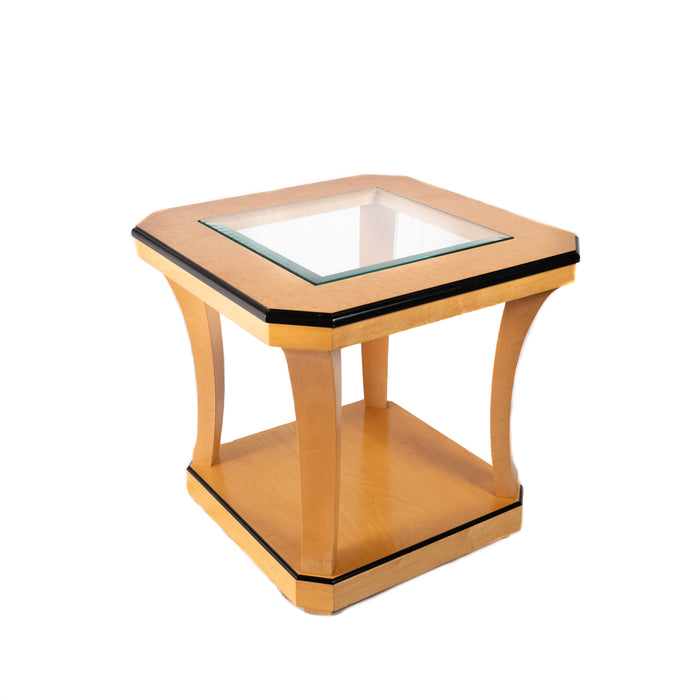 KOBK.26.FUR.032Art Deco Revival Occasional Table, Bird's-Eye Maple, Late 20th Century
$850
KOBK.26.FUR.032Art Deco Revival Occasional Table, Bird's-Eye Maple, Late 20th Century
$850
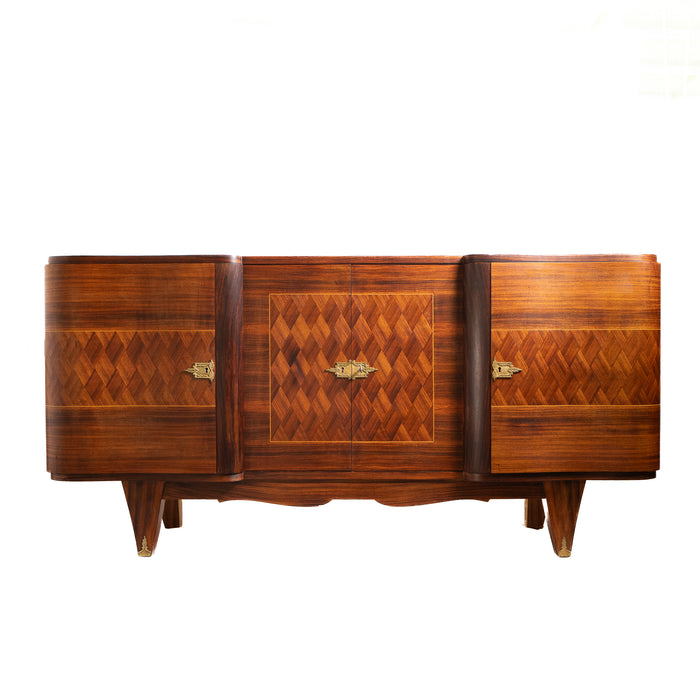 KOBK.26.FUR.027French Art Deco Sideboard in Rosewood and Sycamore
$3,250
KOBK.26.FUR.027French Art Deco Sideboard in Rosewood and Sycamore
$3,250
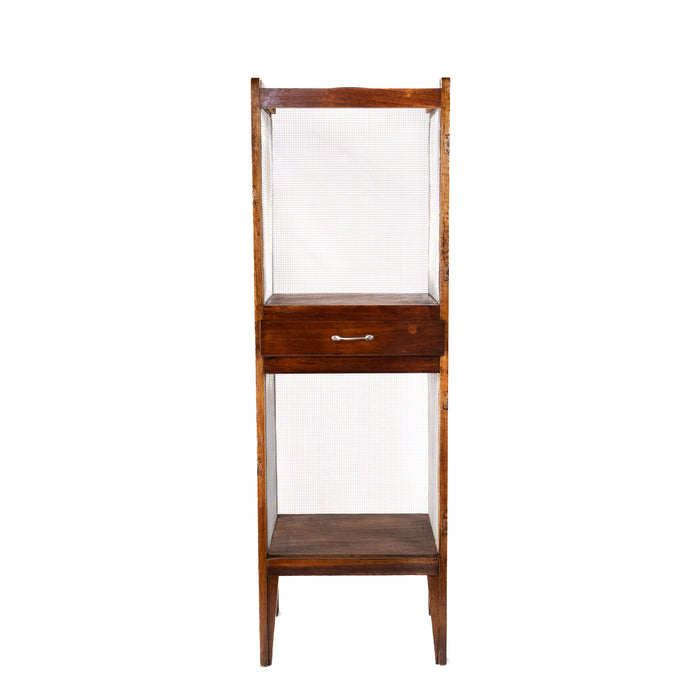 KOBK.26.FUR.022Australian Meat Safe, Opened as Shelving, 1940s
$650
KOBK.26.FUR.022Australian Meat Safe, Opened as Shelving, 1940s
$650
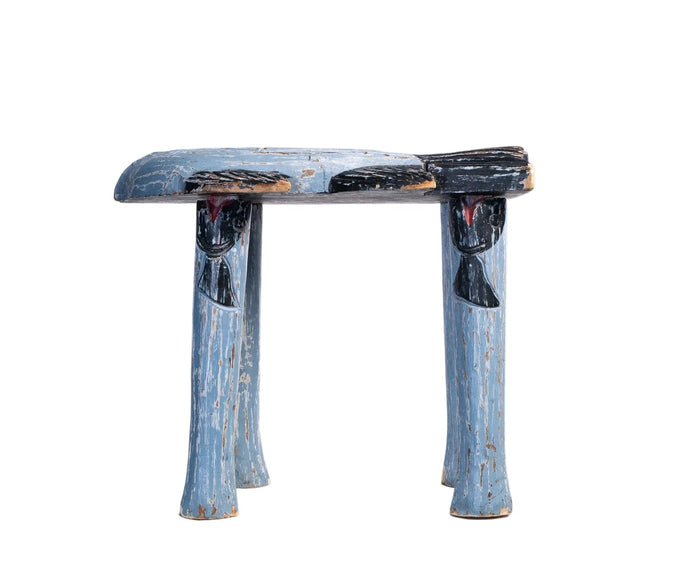 KOBK.26.OBJ.043Painted Fish Stool
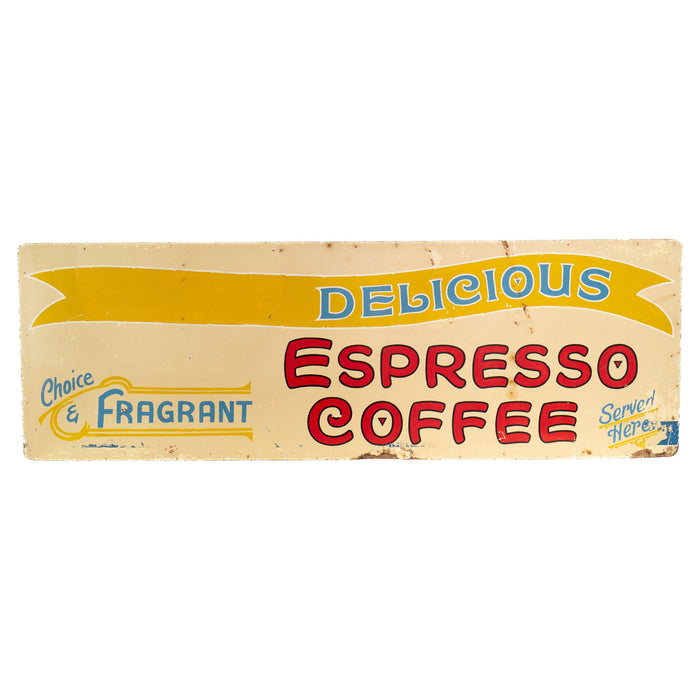 KOBK.26.ART.051Hand-Painted 'Espresso Coffee' Milk-Bar Sign
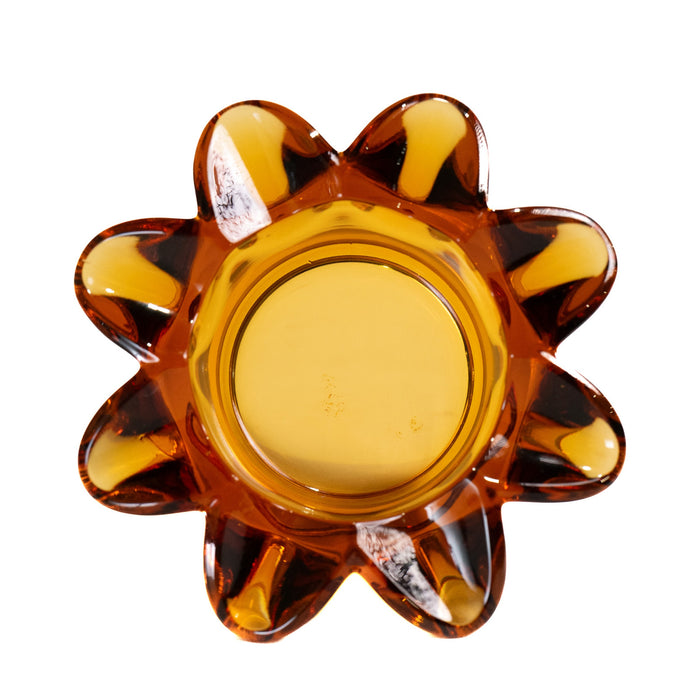 KOBK.26.OBJ.108Sklo Union Pressed Glass Bowl, Rudolf Jurnikl (pattern 13154)
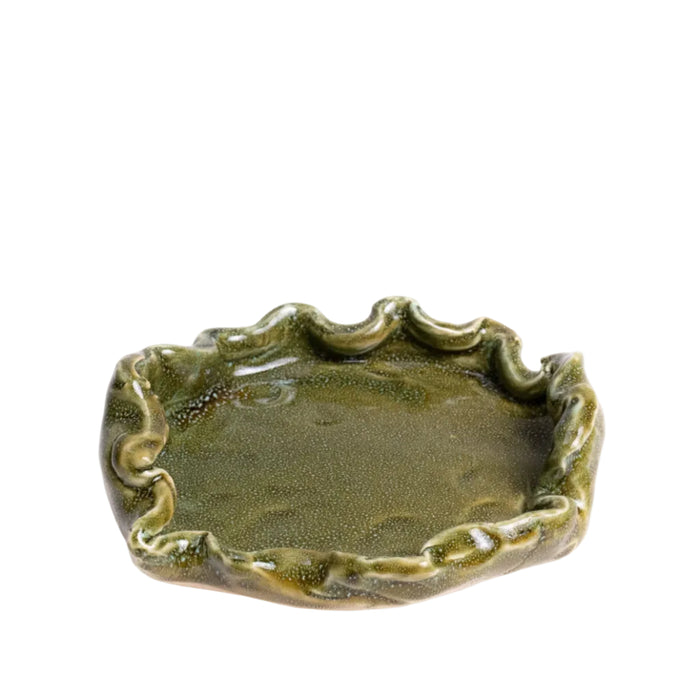 KOBK.26.OBJ.016Minka Veal, Ruffled Olive Dish
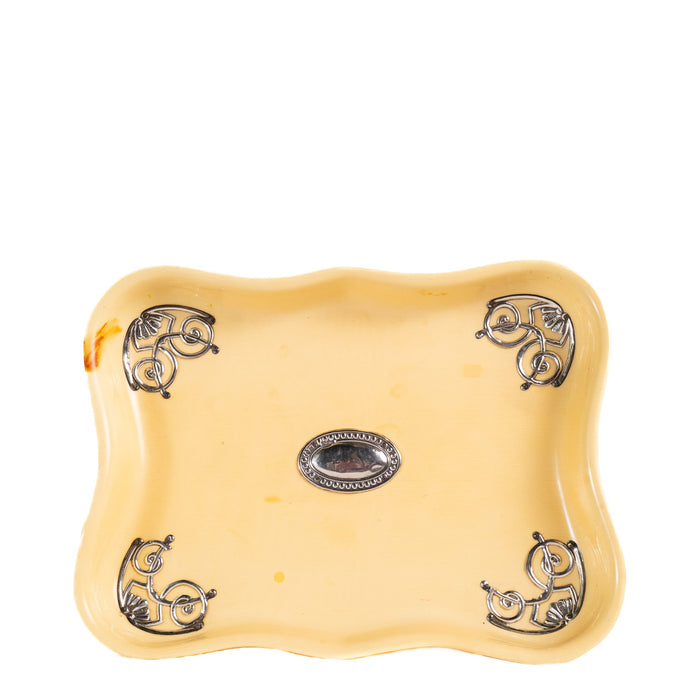 KOBK.26.OBJ.063Edwardian Silver-Mounted Xylonite Dressing Tray, Charles Westwood & Sons, Birmingham
This one has gone
Every object here is one of one, so there is no second. One notice when the next lands.
